
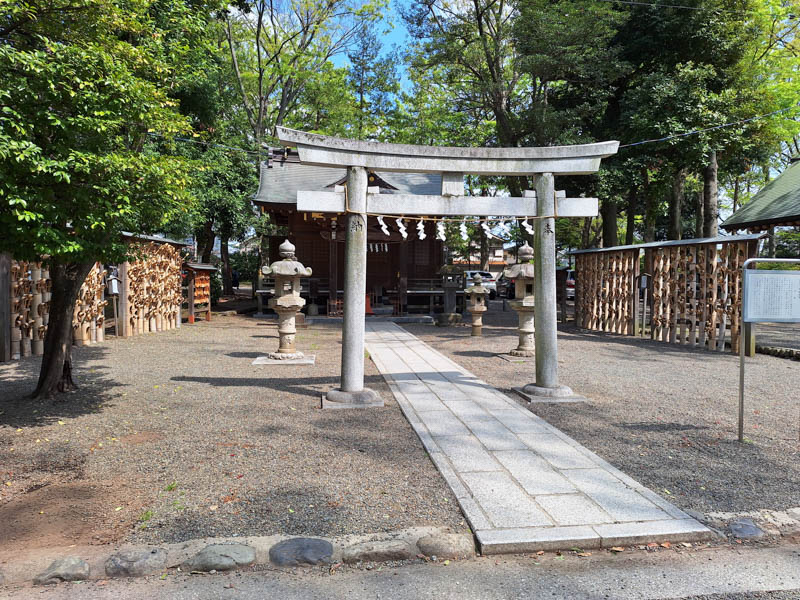
Among the many traditional customs in Japan related to pregnancy, there is a relatively unknown yet highly symbolic ritual: the offering of a bottomless wooden ladle, known as sokonuke hisaku (底抜け柄杓). The bottomless ladle symbolizes smooth and unobstructed flow—a metaphor for an easy and natural childbirth.
We had the opportunity to witness this ritual at the Miyanome Jinja (宮乃咩神社), a small shrine located within the grounds of Okunitama Jinja (大國魂神社)—one of Tokyo’s oldest shrines, with a history spanning over 1,900 years.
Αccording to tradition, Minamoto no Yoritomo (源 頼朝, 1147–1199), the founder and first shogun of the Kamakura shogunate, prayed here for the safe childbirth of his wife, Masako Hojo.
Every year on July 12th, the shrine holds its annual festival, featuring the ritual dance Aosode-mai (青袖舞), followed by a procession to the main shrine where the traditional Sugi-no-mai (杉の舞) dance is performed.
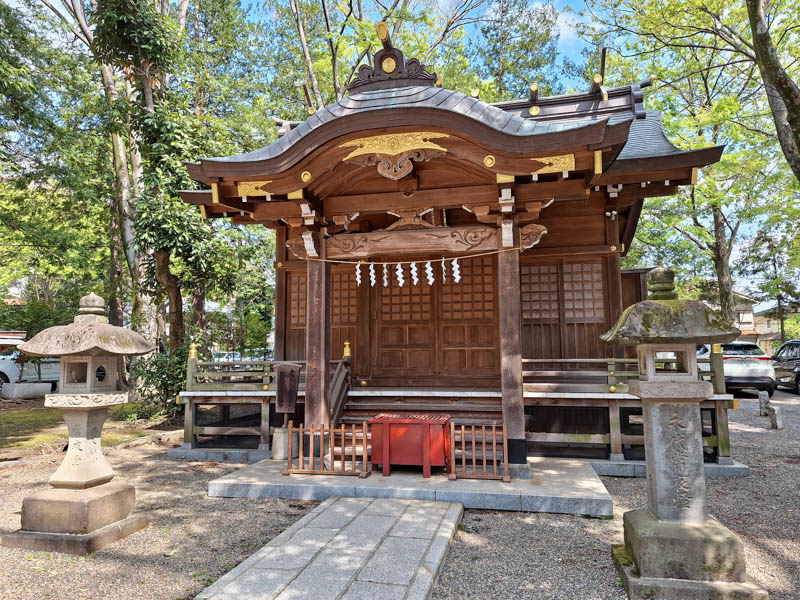
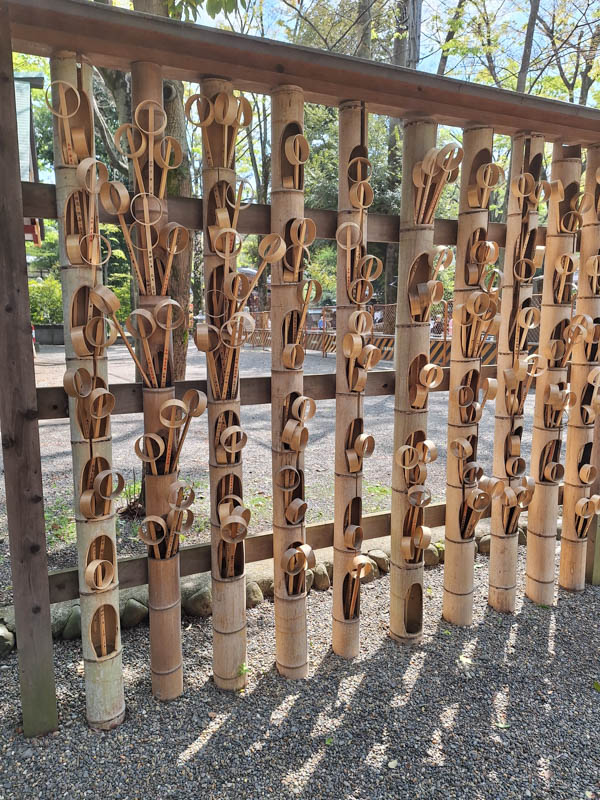
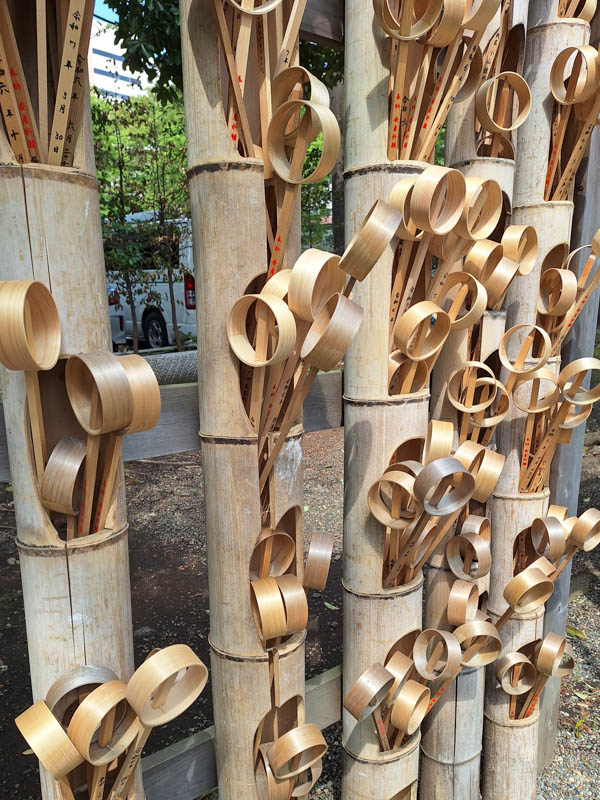
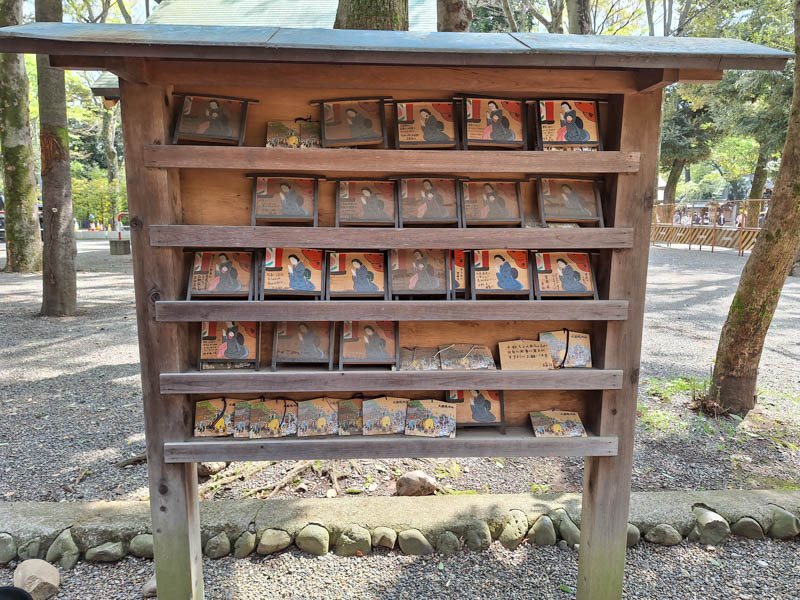
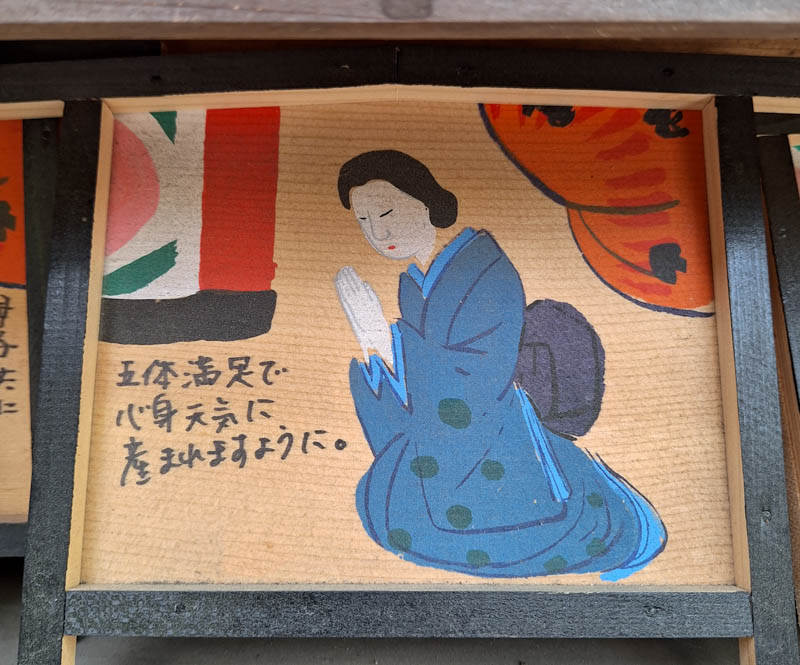
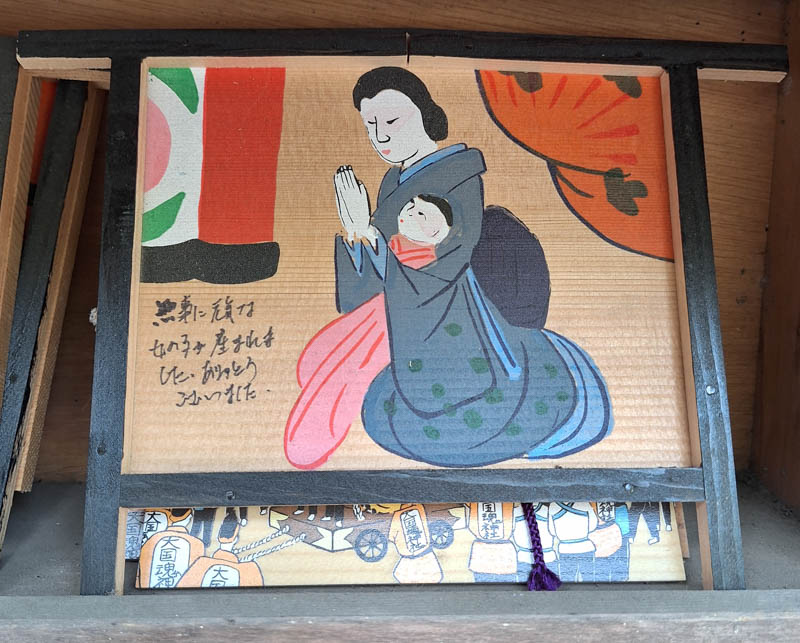
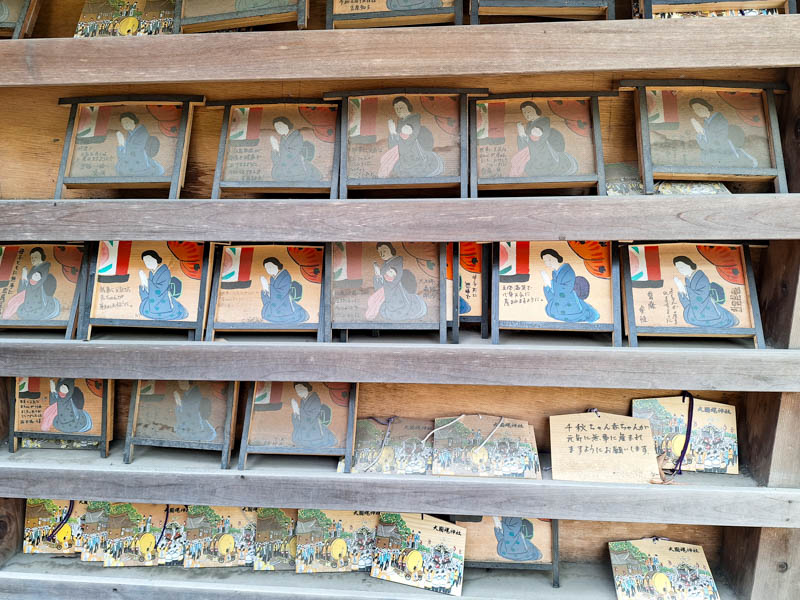
Pregnant women buy the ladle at Okunitama Jinja and, after writing the date, their name, and a wish on the handle, place it here.
photos © Japanbyweb.com
MAP